


APCOM and community partners from Indonesia, the Philippines, Singapore, and Thailand are pleased to launch the country briefs on mental health issues faced by LGBTQI communities in Southeast Asia.
The mental health of LGBTQI communities remains a critical and often overlooked issue in Southeast Asia. Stigma and discrimination continue to fuel mental health crises, with many LGBTQI individuals experiencing depression, anxiety, and suicidal ideation at rates significantly higher than the general population. Despite these alarming trends, there is a severe lack of affirming, community-led mental health services and legal protections.
On the first day of the APCOM Community Summit, country partners disseminated the research findings from the first phase of this project and engaged stakeholders in collaborative strategic planning to develop actionable regional strategies to tackle mental health issues of LGBTQI in the region.
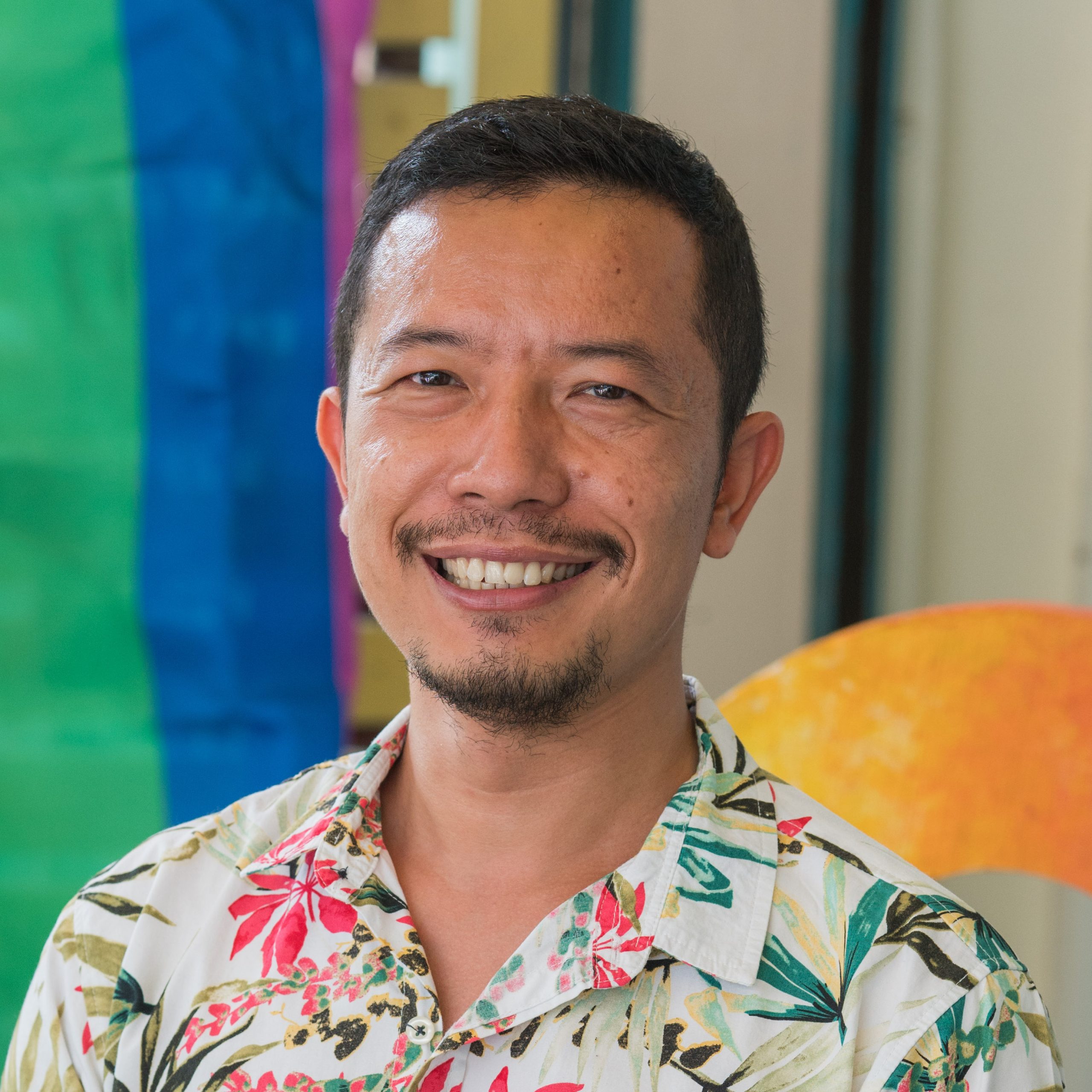
“The aim of this project is to address these challenges through community-led research, and working with our country partners to develop culturally relevant strategies to support the mental health of LGBTQI populations,”
commented Midnight, APCOM’s Executive Director, he continued
“Our community partners are now have some initial data for advocacy, and also mapping community-led service delivery that can integrate mental health services for their diverse communities.”


The four country briefs developed by GWL-INA (Indonesia), Oogachaga (Singapore), The Poz Home Center (Thailand), and TLF-Share (the Philippines) were supported by trusted research partner, Institute for Population and Social Research Mahidol University in Thailand:
- To provide evidence of understanding of mental health issues faced by targeted communities in the four countries
- to promote awareness among community-based organisations and health care practitioners working with target communities in Southeast Asia about mental health issues affecting target communities in Southeast Asia
- To provide recommendations to address the mental health issues together with our partnering organisations, both at the regional level and country level.

Some findings snapshots:
Indonesia
Of the 734 respondents – over 50% of LGBTIQ+ respondents reported persistent feelings of downheartedness, sadness, and generalized unhappiness.
Barriers:
- 52% were uncertain about locating LGBTQI-friendly services.
- 43% were concerned about costs and insurance issues.
- 28% feared judgment.
The Philippines
Of the 610 survey respondents – 47% reported having persistent feelings of downheartedness, sadness, and generalized unhappiness over the past two weeks.
Barriers:
- 60% high costs or lack of insurance coverage
- 40% uncertainty about finding LGBTQI-friendly services
- 30% fear of judgment or discrimination
Singapore
Of the 682 respondents – 79% of respondents reported persistent feelings of downheartedness, sadness, and generalized unhappiness over the past two weeks, with 20% feeling this way nearly every day.
Barriers:
- 71% Concerns about cost or lack of insurance coverage
- 59% Doubts about the effectiveness or helpfulness of services
- 43% Concerns about confidentiality and privacy
Thailand
Of the 561 respondents – 43% of LGBTIQ+ respondents reported persistent feelings of downheartedness, sadness, and generalized unhappiness.
Barriers:
- 44% didn’t think their issues were serious enough to warrant professional help.
- 56% were concerned about costs and insurance issues.
- 21% worried about being judged or discriminated against due to their sexual orientation or gender identity.
- 33% were concerned about confidentiality and privacy.

Recommendations
Increase Accessibility to Mental Health Services:
Expand access to mental health services specifically tailored for LGBTIQ+ individuals, including funding for programs and training healthcare providers on LGBTIQ+ mental health issues.
Healthcare Provider Training:
Implement mandatory training for healthcare professionals on sensitivity, inclusivity, and LGBTIQ+ specific mental health needs to reduce discrimination within healthcare settings.
Raise Awareness on Mental Health:
Launch public campaigns to reduce stigma around mental health in the LGBTIQ+ community and encourage individuals to seek care.
Strengthen Anti-Discrimination in Healthcare:
Enforce and enhance anti-discrimination policies within healthcare systems to ensure safe and inclusive environments for LGBTIQ+ individuals.
Support for Mental Health Crisis and Trauma:
Establish support services for LGBTIQ+ and Transgender individuals dealing with trauma, including accessible crisis reporting mechanisms for mental health emergencies.
Community-Based Mental Health Support:
Invest in safe spaces and community centers that offer mental health services, counseling, and peer support for LGBTIQ+ individuals.
The findings from this survey underscore the critical need for accessible, inclusive, and affordable mental health services for LGBTIQ+ communities. Addressing the identified barriers and enhancing the availability of supportive services is essential to improve the mental health outcomes for these marginalized groups. The CBO capacity report highlights the gaps in service delivery and the need for more resources and training to support these efforts. This research serves as a call to action for policymakers, healthcare providers, and community organizations
“At GWL-INA, we are committed to empowering our community through advocacy and support, fostering an environment where gay, waria, and MSM individuals can access necessary health services free from stigma and discrimination. This aligns with our vision to ensure that our community not only survives but thrives, with dignity and equal rights. Our work, grounded in research and community needs, advances policies and programs that uphold the sexual and reproductive health rights of all our members, contributing positively to gender equality and human rights.”
Hamdani
GWL-INA
Monitoring and Evaluation Officer

“For the first time, we have a comprehensive snapshot of the state of LGBTQ+ mental health in Singapore. Thanks to this innovative collaboration with APCOM, Mahidol University and regional community partners, we collected useful data and highlighted significant findings about LGBTQ+ mental health, service provision, access & ongoing challenges.” Leow Yangfa, executive director, Oogachaga.”
Leow Yangfa
Oogachaga
Executive Director

“This research project is a very important work that can positively contribute to gender equality. The research provided the LGBTQI movement of the Philippines with baseline knowledge that will tremendously help in advocating for policies and proposing programs that will address mental health challenges of the members of the community. It also highlights how inequality impact LGBTQI people and the importance of responses that address discrimination based on SOGIESC.”
Ferdi Buenviaje
TLF SHARE

“This research resonates deeply with our mission at The PoZ Home Center. Understanding the specific mental health challenges faced by the LGBTQI community in the Philippines helps us advocate more effectively for inclusive policies. It’s crucial that we address these inequalities, as they not only affect individual well-being but also the health of our community at large.”
Somchai Phromsombat
The Poz Home Center Foundation

“This project represents a critical step towards understanding and addressing the unique mental health challenges faced by the LGBTQI community in Southeast Asia. By providing comprehensive baseline data, we are not only highlighting the pervasive impacts of inequality but also equipping policymakers and advocates with the tools needed to develop effective interventions that combat discrimination and promote gender equality. Our goal is to foster an inclusive society where every individual has access to the mental health resources they need to thrive.”
Asst.Prof Dr. Dusita Pheungsamran
Institue for Popoulation and Social Research
Mahidol University


This project was started with the generous support of the Community Building Fund Project funded by the China Medical Board (CMB) grant.
We could not have done this important work without great collaboration from the following:
APCOM Foundation
Midnight Poonkasetwattana
Naphat Krutthai
Community Partners
Indonesia
Gaya Warna Lentera Indonesia Network
Riyansyah
Hamdani Lutfi
Philippines
TLF Sexuality, Health and Rights Educators Collective, Inc (TLF SHARE)
Ferdinand Villarmor Buenviaje
Singapore
Oogachaga
Leow Yangfa
Thailand
The Poz Home Center Foundation
Somchai Phromsombat
Research Partner: Institute for Population and Social Research Mahidol University, Thailand
Dusita Phuengsamran, PhD (Principal investigator)
Niphon Darawuttimaprakorn
Chanipaa Eiamcharoen
This project was started with the generous support of the Community Building Fund Project funded by the China Medical Board (CMB) grant.