
Contributor:
AHF Nepal
Starting antiretroviral therapy (ART) is an important step for people living with HIV, but staying connected to treatment over time can be challenging. A missed appointment can have many explanations: a client may have travelled for work, struggled to afford transportation, worried about stigma or disclosure, or found it difficult to attend during clinic hours. If these circumstances go unrecognized, a missed appointment may lead to a client being mistakenly classified as no longer in care (NLIC).
For this reason, follow-up needs to be more than a reminder; it needs to help teams understand what is preventing attendance and identify a practical way forward. AHF Nepal’s Optimized Retention Initiative (ORI) provides a structured approach to this work by linking appointment tracking with clinical and community-based support.
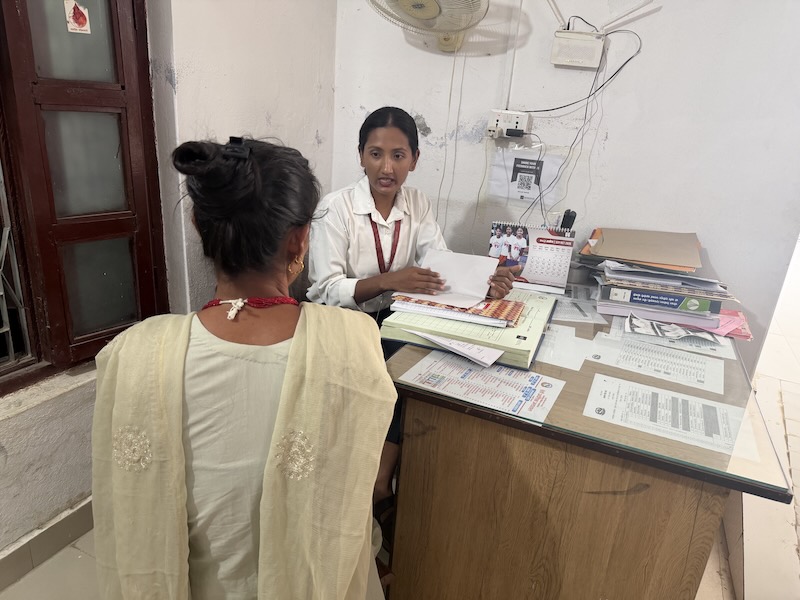
AHF Nepal began piloting the ORI at three ART sites in 2021. It expanded to six sites in 2023 and was rolled out across all 19 AHF-supported ART sites by 2024. ORI combines routine appointment tracking with follow-up by clinic and community teams.
Clients may miss appointments for many reasons, including work, migration, transportation costs, illness, stigma, or treatment fatigue. Unreachable phone numbers and movement between locations can also complicate follow-up.
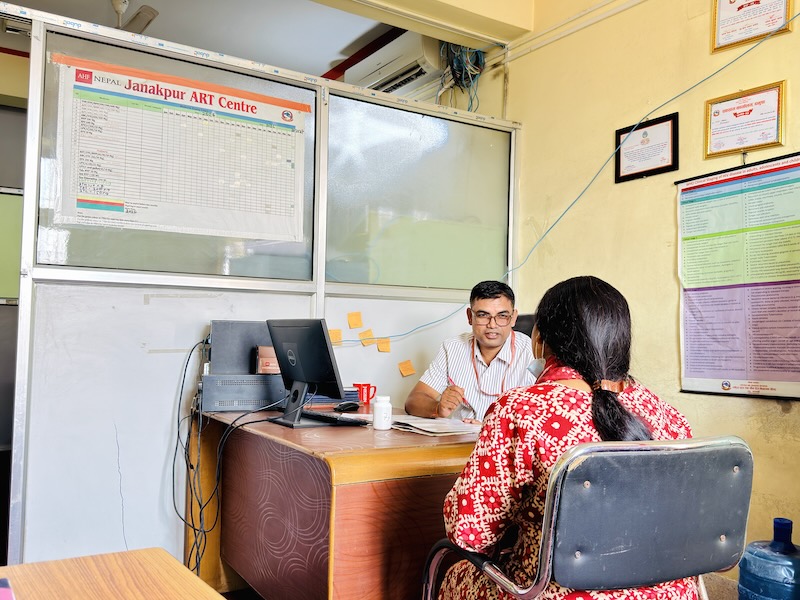
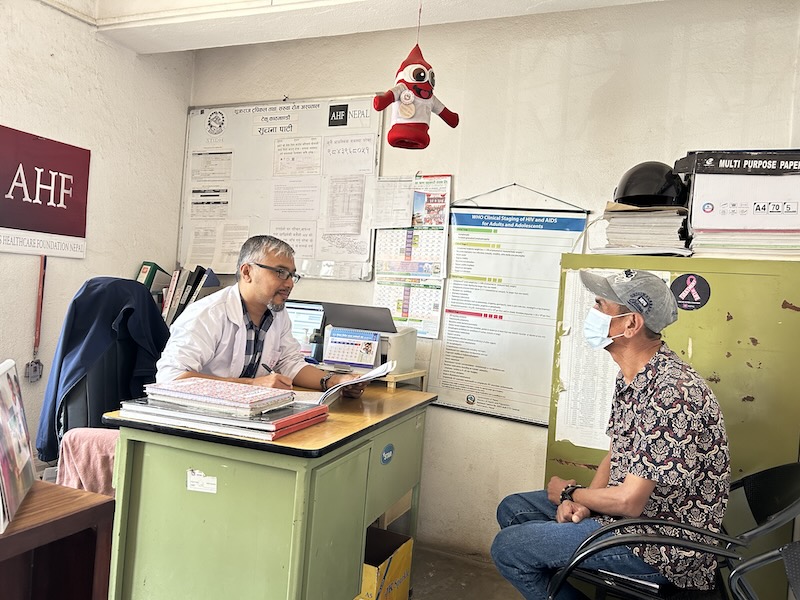
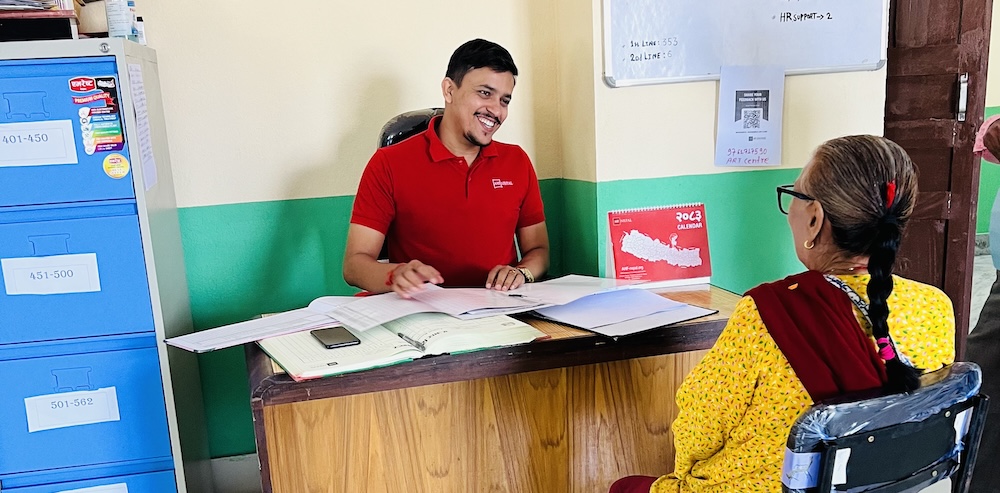
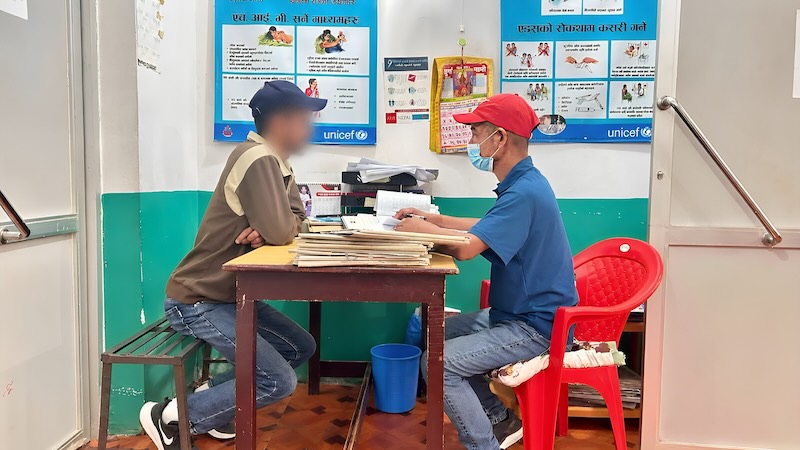
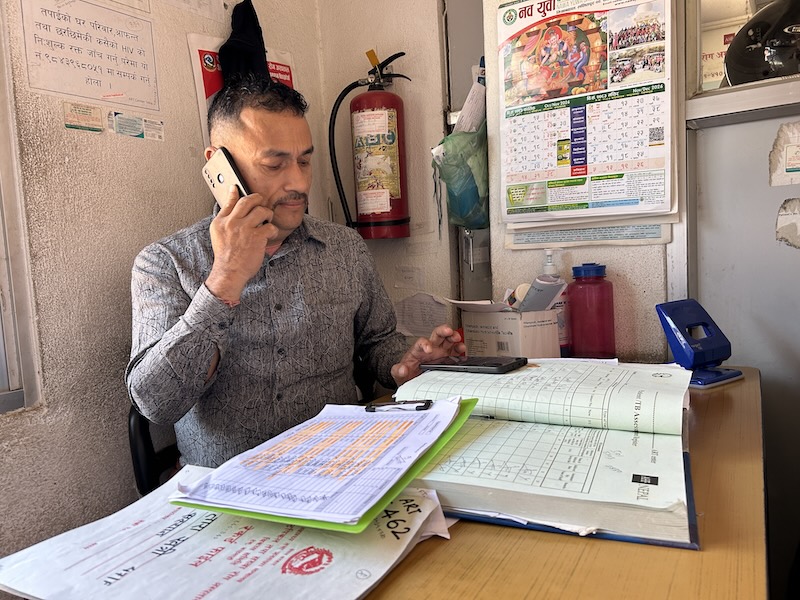
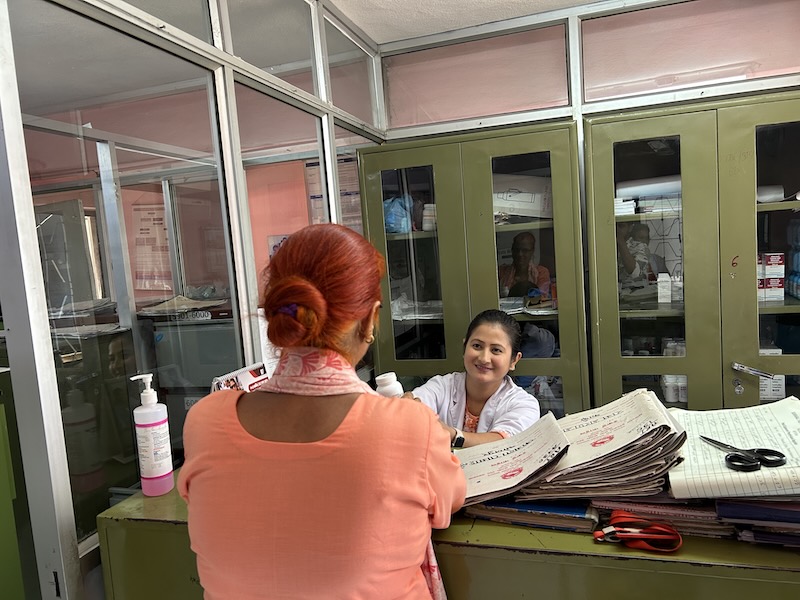
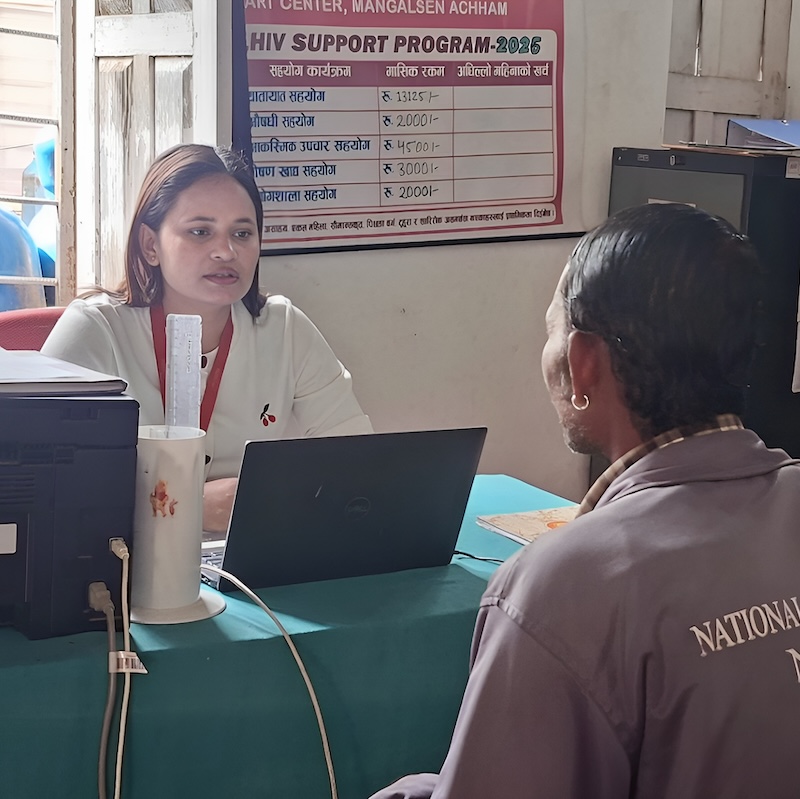
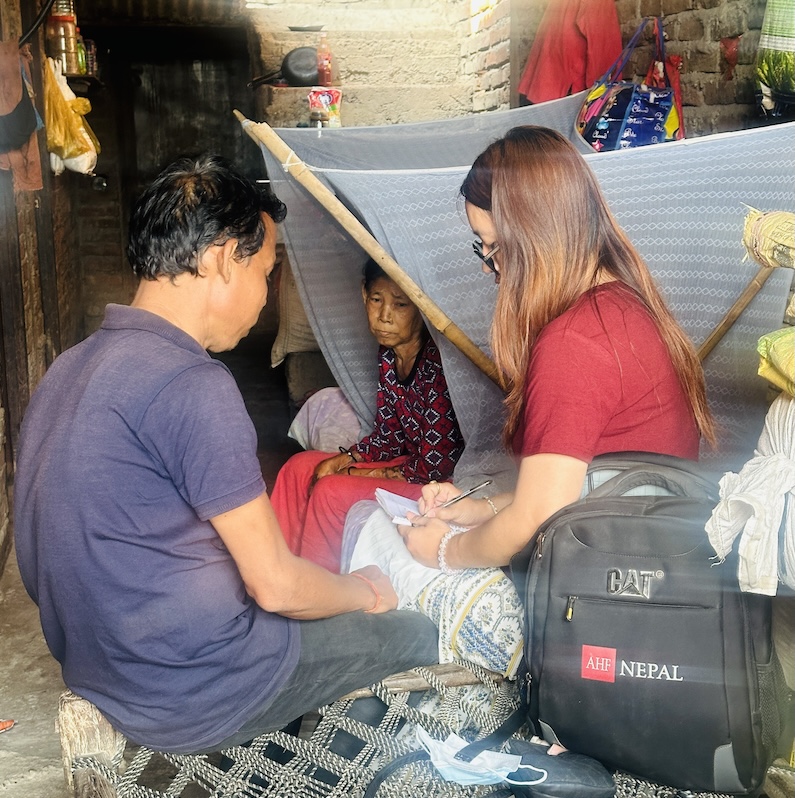
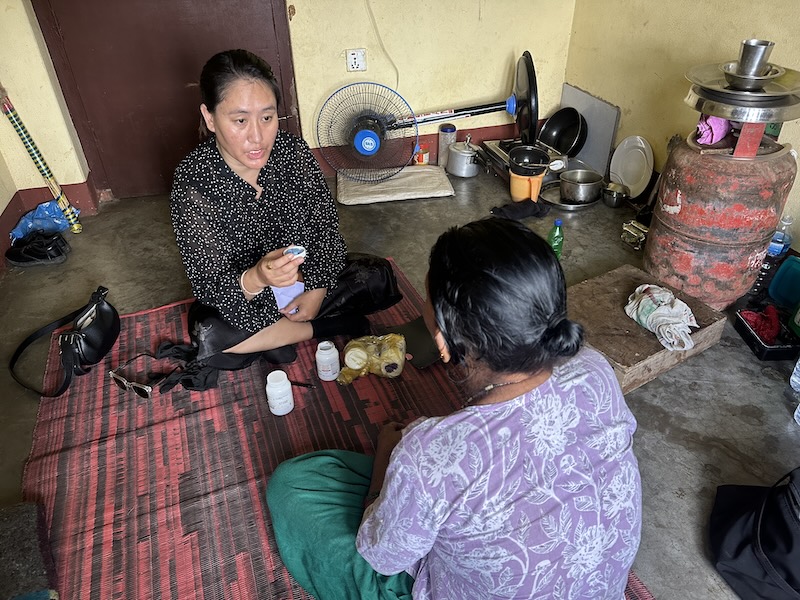
ORI responds with practical actions tailored to each client’s circumstances. Teams send reminder calls and SMS messages before appointments and follow up when a visit is missed. If phone contact fails, they may seek help from community-based organizations or arrange a home visit where appropriate. Peer educators, peer navigators, and community home-based care teams work alongside clinic staff, offering counselling, treatment-literacy support, and confidential communication for clients who fear stigma or disclosure. Eligible clients may receive multi-month medication dispensing and flexible refills, reducing travel time and costs. Coordination between ART sites helps when clients move, while referrals address other health needs.
“Following up a missed appointment is not always a one-time phone call. Sometimes it takes several attempts to reach a client, understand what is happening, and support them to return to care.”
— Bal Bahadur, Peer Educator, AHF Nepal
The scale of follow-up is substantial. During the reporting period from January to September 2026, the 19 sites recorded 43,448 ART appointments and identified 5,447 clients for follow-up after a missed appointment. Teams completed 24,931 follow-up actions, averaging approximately 4.6 actions per client.
Of the 5,050 eligible clients (excluding 397 classified as NLIC), 4,740 (94%) subsequently received ART services, while 310 were still awaiting services at the time of analysis. Separately, of the 15,581 clients in the December 2024 ART cohort, 14,342 (92%) remained on ART at AHF-supported sites as of October 5, 2026. These figures measure different outcomes: the 94% figure reflects service receipt following follow-up, while the 92% figure reflects retention in an earlier cohort.
ORI also supported 191 clients previously reported as NLIC to return to care. During the same period, 397 clients were classified as NLIC, including 334 who were lost to follow-up (LTFU). These figures highlight the importance of early intervention and continued outreach, while recognizing that clients may face barriers requiring different responses.
“Behind every lost-to-follow-up client is a person who may be facing challenges that we do not see from the clinic register. Our responsibility is to reach out, understand those challenges, and keep the door open for them to return to care.”
— Dr. Unnat Shrestha, Medical Advisor, AHF Nepal

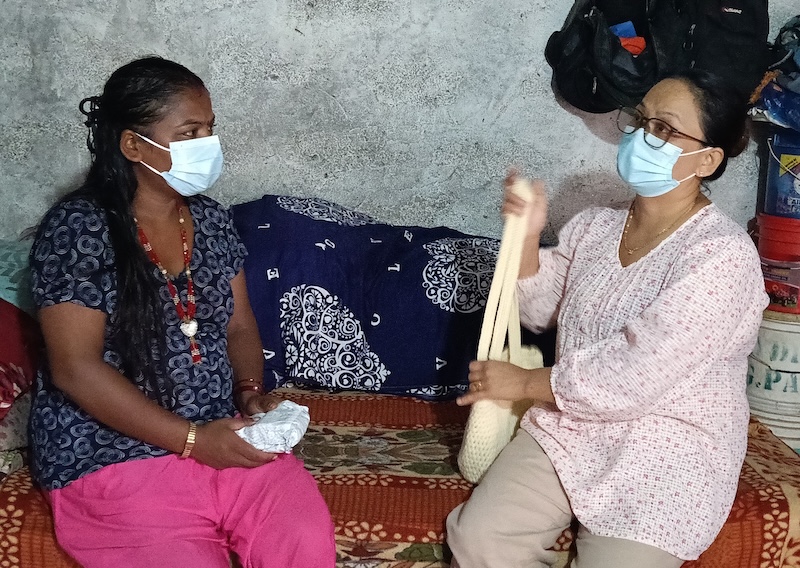
AHF Nepal’s experience with ORI shows that a missed appointment should prompt a response, not simply be recorded as an outcome. Routine tracking, timely contact, peer and community engagement, coordination across ART sites, and flexible service arrangements can help programs address barriers such as migration, work pressures, transportation costs, stigma, and health or social challenges.
In resource-limited settings, programs can build on existing clinic and community networks rather than rely solely on additional staff, while monitoring whether clients actually return to care. The 94% follow-up outcome and the 92% cohort retention figure measure different things, but both underline the value of sustained effort. Ultimately, retention is about people, not only program data.
“ORI has transformed a missed appointment from a statistic into an opportunity to reconnect with a client. Nepal’s experience shows that combining timely data with practical follow-up—reminder calls, peer tracking, home visits, and counselling-can strengthen retention and keep people connected to lifesaving HIV care.”
— Divya Raj Joshi, Country Program Manager, AHF Nepal