
“HIV, hindi pinag-uusapan.”
HIV is not talked about.
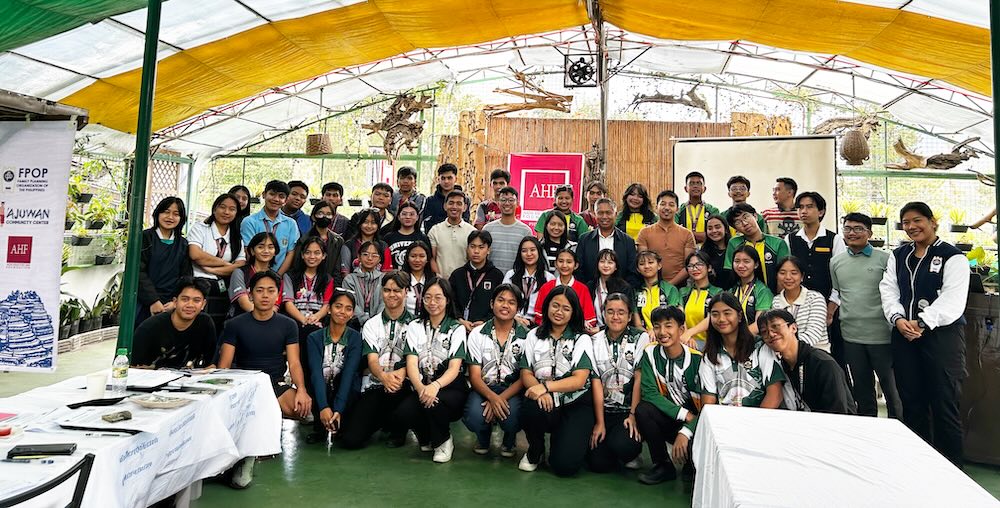
For youth leader Krisha Mae Bugaling, those words captured one of La Trinidad’s greatest barriers in responding to HIV: silence. Discussions about HIV and sexual and reproductive health remained taboo, even as the municipality recorded the second-highest number of people living with HIV (PLHIV) in the region, with young people particularly affected.
For Bugaling, the issue was also deeply personal. A close friend she considers a sister is living with HIV. As Sangguniang Kabataan (Youth Council) Chairperson of Barangay Wangal, she and other young leaders understood that changing individual attitudes would not be enough. La Trinidad needed an environment where young people could talk openly about HIV, access accurate information and services, and live free from stigma and discrimination.
Breaking the silence would require more than conversation. It would require responsive policy.
An ordinance that needed to evolve
La Trinidad was not starting from zero. The municipality had already passed an HIV ordinance in 2015. But nearly a decade later, the local response had changed significantly. HIV needs were evolving, newer national policies had emerged, and gaps in translating policy into accessible local services had become increasingly apparent.
Updating the ordinance therefore offered an opportunity not simply to revise an old law, but to ask a more fundamental question: What kind of HIV response did La Trinidad now need, particularly for its young people?
Since 2021, AIDS Healthcare Foundation (AHF) Philippines and the Family Planning Organization of the Philippines (FPOP) Baguio-Benguet had been working together to expand HIV prevention, testing, treatment, referrals, community outreach, and advocacy in Baguio City and La Trinidad.
Over time, these efforts helped build relationships among communities, healthcare providers, civil society organizations, local officials, and young leaders. Just as importantly, they created spaces where young people could move beyond being recipients of HIV information and services to becoming leaders in shaping the response itself.
From being heard to influencing policy
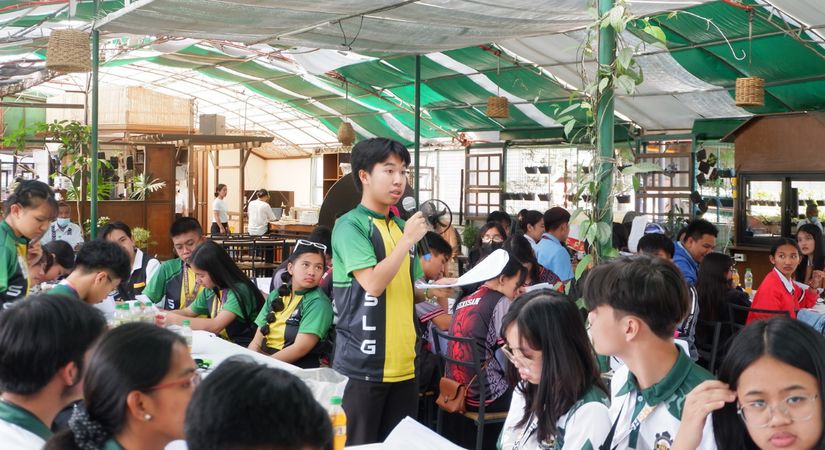
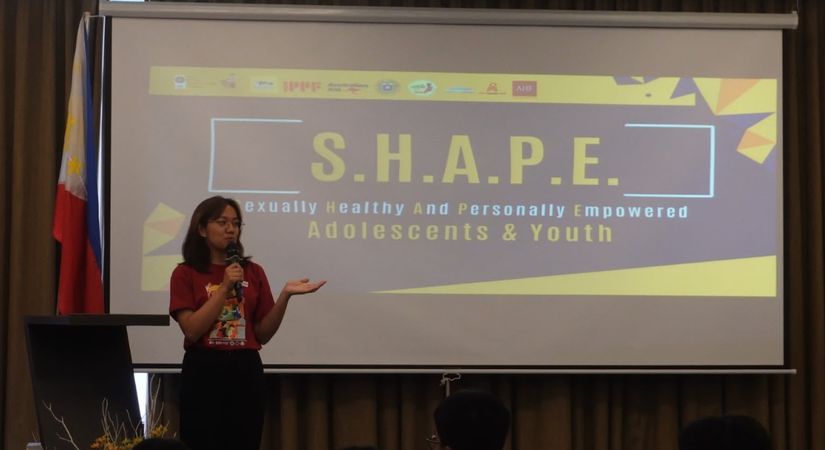
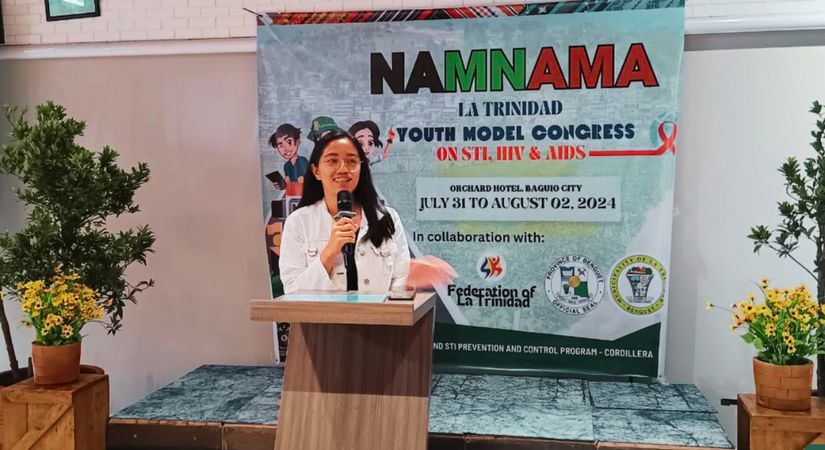
That opportunity became more concrete in 2024. The Department of Health Center for Health Development – Cordillera Administrative Region, the Provincial Government of Benguet, the Sangguniang Kabataan of La Trinidad, and Dr. Ryan Guinaran, then incoming Country Program Manager of AHF Philippines, co-organized the NAMNAMA Model Youth Congress.
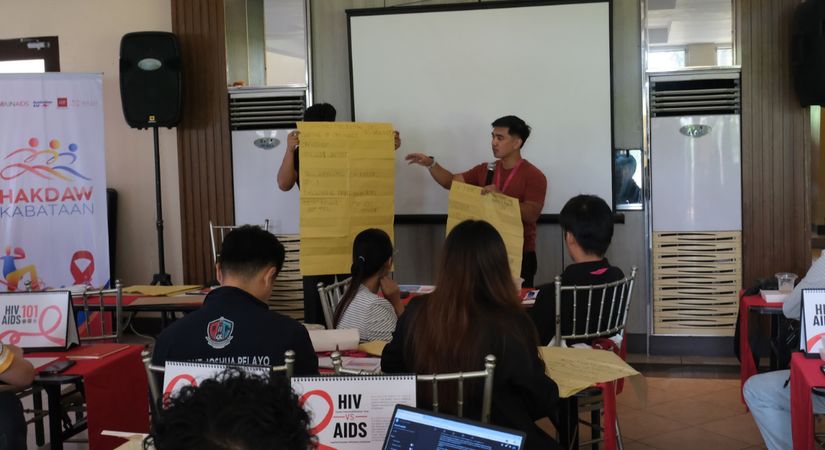
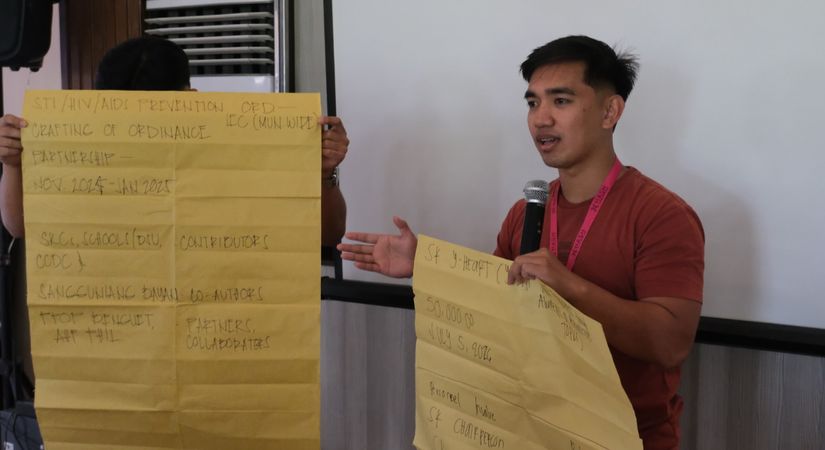
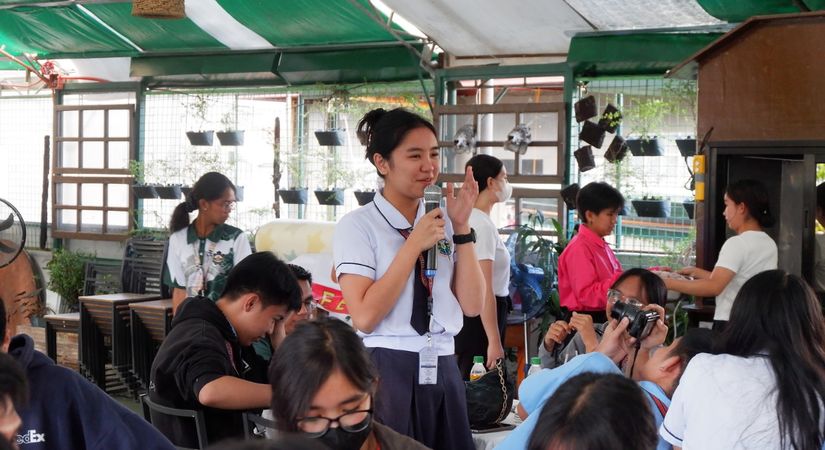
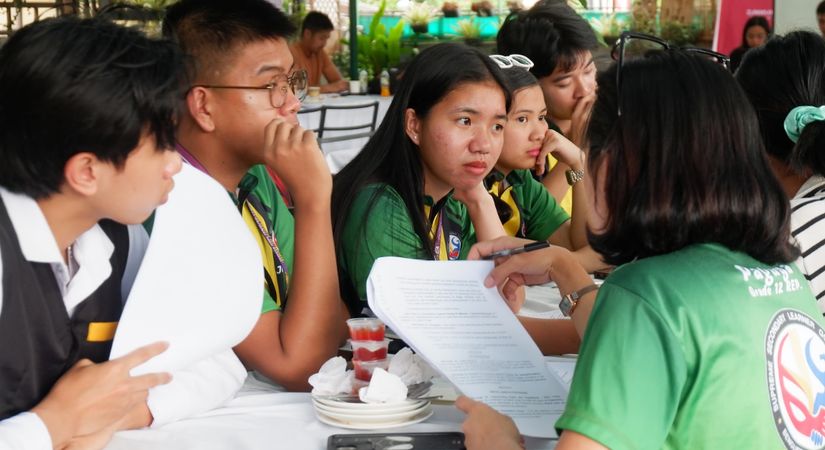
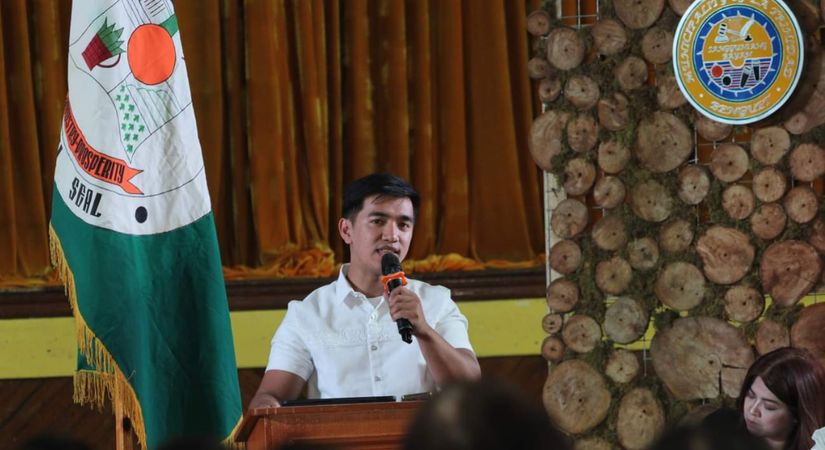
Youth leaders and Sangguniang Kabataan officials from across La Trinidad’s barangays came together to discuss HIV, sexual and reproductive health, and the policy challenges affecting their generation. More than an awareness activity, NAMNAMA gave young people an opportunity to identify barriers experienced by their peers and put forward recommendations for strengthening the municipality’s HIV response.
Sangguniang Kabataan Federation President Frederick Guzman helped carry those concerns into the policymaking process, working with Municipal Councilor Atty. Guiller Galwan, then chair of the legislative Committee on Health, and other partners in advancing a strengthened ordinance.
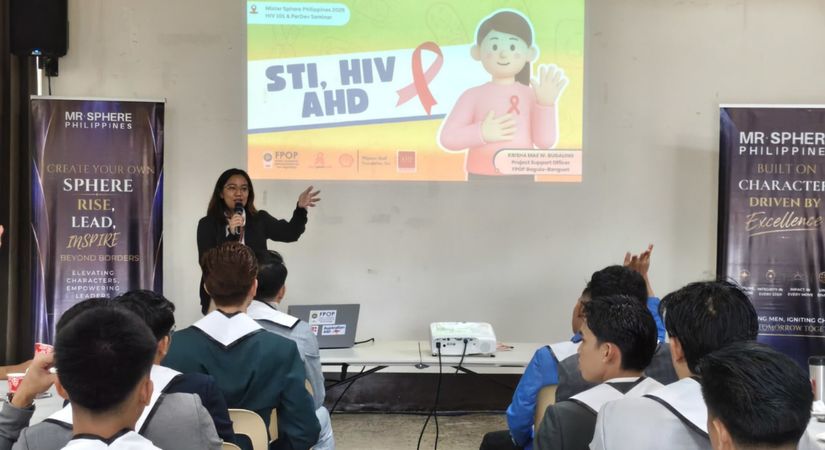
The process continued through public consultations led by Guzman and other local stakeholders. Bugaling actively participated, joining fellow young people, healthcare providers, community representatives, and government officials in examining what the proposed policy should deliver.
Young participants pushed for issues that directly affected their lives: better access to HIV services, youth-friendly and culturally sensitive information, stronger responses to stigma and discrimination, and services that young people could approach without fear or shame.
Their involvement changed their role in the HIV response. They were no longer simply being told what young people needed. They were helping define it themselves.
“This ordinance is more than a fight against HIV, STIs, and AIDS. It is a call to protect lives, break stigmas, and empower the youth to lead a future rooted in health, dignity, and hope,” said Guzman, Sangguniang Kabataan Federation President of La Trinidad and co-author of the local HIV policy.
For Guzman, involving young people also made the resulting policy stronger. “Youth participation was essential to the success of this ordinance. In fact, I would say the ordinance would have been less responsive if the process had been limited to discussions among legislators and health professionals alone,” he said. “What made this process meaningful was that young people were not merely invited to attend. They were allowed to speak, challenge certain provisions, share their experiences, and influence the direction of the proposed policy.”
Turning participation into law
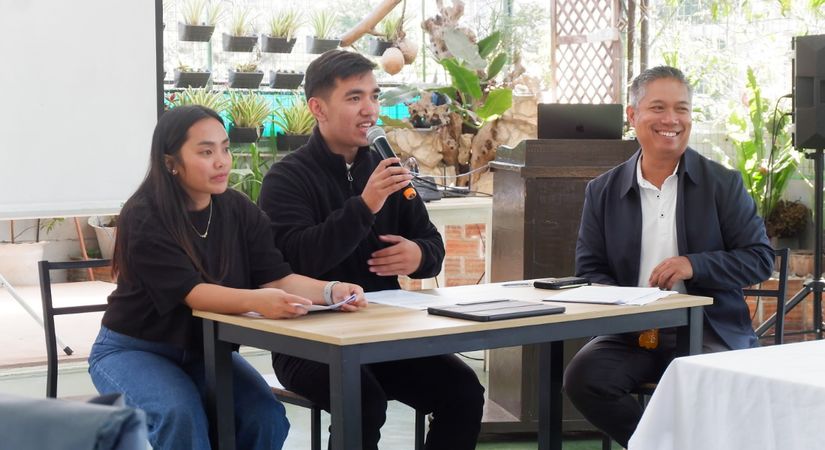
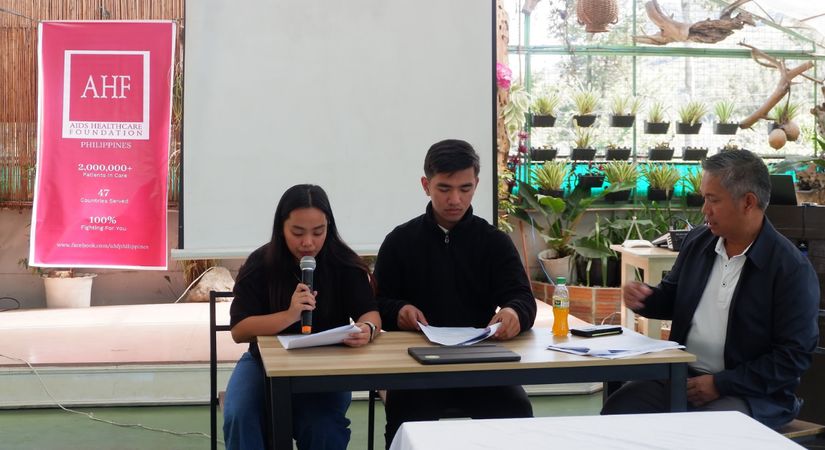
In January 2025, those efforts culminated in the enactment of Municipal Ordinance No. 2, 2025, strengthening La Trinidad’s policies and measures for the prevention and control of sexually transmitted infections, HIV, and AIDS.
The new ordinance goes beyond its 2015 predecessor by responding to a changed HIV landscape. It strengthens local governance through the Municipal Local AIDS Council (MLAC) and its Technical Working Group, clarifies responsibilities and funding, incorporates youth perspectives, and promotes a more comprehensive, rights-based, accessible, and responsive approach to HIV services.
This is where La Trinidad’s experience becomes significant beyond one municipality.
The achievement was not simply that young people attended a congress or sat through consultations. It created a pathway for their experiences and recommendations to move from community conversations to policy discussions, and ultimately into local law.
Sustaining a generation of young advocates
For AHF Philippines, the La Trinidad experience is part of a broader effort to ensure that young people are not treated merely as beneficiaries of HIV programs.
Across the country, AHF works with youth leaders, student organizations, community groups, service providers, and local governments through HIV awareness, advocacy dialogues, community mobilization, and leadership development. The aim is to give young people the knowledge, platforms, and partnerships they need to participate meaningfully in decisions affecting their health.
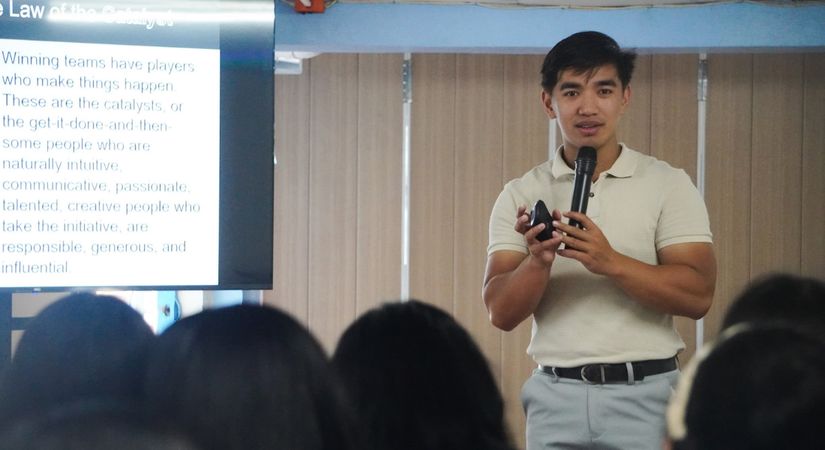
In 2026, this commitment expanded through the AHF SK CHAMP, or Sangguniang Kabataan Champion HIV Advocates and Mentors for Peers, a leadership initiative that equips elected SK officials with knowledge and skills in HIV advocacy, local governance, health systems thinking, and policy development while connecting them with AHF-supported HIV testing and treatment hubs.
The approach recognizes a practical reality: young leaders who understand not only HIV, but also how local plans, budgets, programs, and ordinances are developed, are better positioned to turn advocacy into lasting public policy.
A model beyond La Trinidad
La Trinidad’s experience offers a lesson for other communities in the Philippines and across Asia and the Pacific, particularly where new HIV infections among young people are a growing concern. Meaningful youth engagement is not achieved by simply inviting young people into a room. They need accurate information, opportunities to build leadership and advocacy skills, access to policymakers, and genuine space to question, propose, and influence decisions.
Governments, meanwhile, gain something equally important when they listen: policies grounded in the realities of the people they are intended to serve. In La Trinidad, a conversation that once seemed too difficult to have became a conversation young people helped bring into the halls of policymaking. Their participation helped transform concern into advocacy, advocacy into policy, and policy into a stronger framework for protecting health, dignity, and rights.
For young people who want to lead HIV advocacy in their own communities, and for governments seeking to meaningfully involve youth in health policymaking, La Trinidad offers both an invitation and a challenge: give young people more than a seat at the table. Give them the opportunity to shape what happens there.
AHF Philippines continues to work with young leaders, communities, governments, and partners seeking to advance youth-led HIV advocacy and policy change, with the La Trinidad experience offering a model that can be adapted and strengthened elsewhere.
Because when young people are trusted not only to participate, but to lead, their voices can do more than break the silence around HIV. They can help change the laws, systems, and future of the communities they call home.