
Contributor:
Nisha Ayub
Nisha Ayub is a human rights defender and leading spokesperson for human rights of transgender persons in Malaysia. In her 18 years of activism, she has established the first ever shelter for transgender women, the T-Home. She is also the founding member of Justice for Sisters and SEED Malaysia, the first ever trans-led organization championing the rights of trans people . As a leading spokesperson on human rights of transgender persons in Malaysia, she advocates for human rights of trans people at the national, regional and international level.
In 2015, she was one of the eight activists who participated in a civil society roundtable meeting with President Obama during his visit to Malaysia. Nisha has received numerous awards from regional and international bodies. To name a few, the Asia LGBT Milestone Awards Alma in Bangkok 2015, The Prestigious Alison Des Forges award for the Extraordinary Activism by Human Rights Watch in 2015 and The International Women of Courage award 2016 from the US Secretary of State John Kerry. In 2016 as well, Kevin L.Faulconer, San Diego declared April 5 to be Nisha Ayub Day in San Diego. In 2019 she was named by Marie Claire as one of their 25 Amazing Women. The same year, she also became the only Malaysian on the BBC 100 Women of 2019 of influential women in the world and Tatler have recognized Nisha Ayub as one of Asia’s Most Influential.
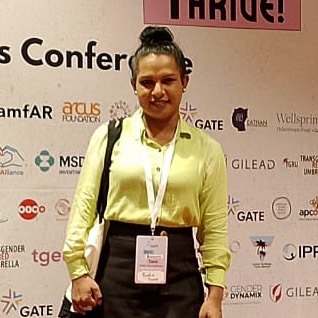
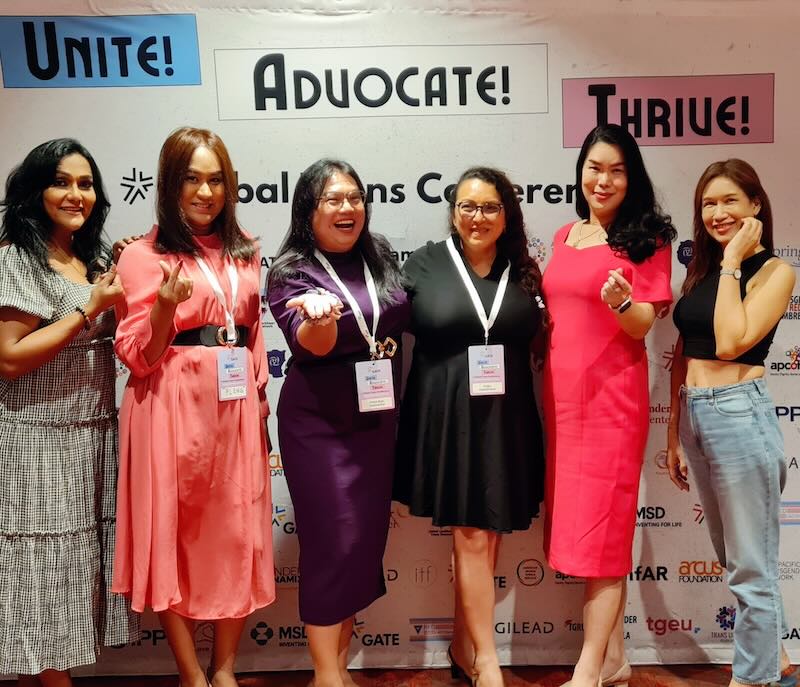
APCOM was one of the partners of the Unite! Advocate! Thrive! Global Trans Conference 2024
held prior to the AIDS 2024 in Munich, Germany in July 2024.
We brought together trans and gender diverse activists from Asia and the Pacific to address the lack of specific and inclusive global strategies
for our communities, and to formulate a unified response to anti-gender and anti-rights opposition.
What are your main reflections/take away from the recent Unite! Advocate! Thrive! Global Trans Conference 2024?
The Unite! Advocate! Thrive! The conference was an enlightening experience, showcasing both the remarkable progress and ongoing challenges within the global trans movement. Notably, the discussions highlighted the significant strides made in Europe regarding trans rights, visibility, and inclusion. However, it was evident that the issues faced by the trans community in various regions, particularly in countries like India, Pakistan, and Malaysia, differ markedly due to cultural, legal, and political contexts. The intersection of Islamic laws and civil laws in these countries poses unique challenges for the trans movement, often leading to heightened discrimination and marginalization.
What is the situation of trans people in your country?
In Malaysia, the situation for trans individuals is precarious. The community is often exploited as a political tool, and there is a concerted effort by politicians and religious leaders to portray them negatively. This negative portrayal fosters an environment of stigma and discrimination, significantly impacting the rights and well-being of trans people. Furthermore, the lack of formal recognition and the existence of arbitrary laws based on gender identity and expression exacerbate these issues. Statements from the political leaders reflect a troubling stance, and the practice of conversion therapy continues to be a grave concern, threatening the mental and emotional well-being of trans individuals.
What and how are you/your organisation doing to address these challenges?
To combat these challenges, our organization is actively engaged in several initiatives:
1. Stakeholder Engagement: We conduct closed-door discussions with key stakeholders to advocate for trans rights and improve understanding of the issues faced by the community.
2. Research on Conversion Therapy: We are focused on researching the prevalence and effects of conversion therapy in Malaysia to inform advocacy efforts and raise awareness.
3. Empowerment Workshops: We organize workshops aimed at empowering young trans individuals, covering topics such as SOGIESC (Sexual Orientation, Gender Identity, Gender Expression, and Sex Characteristics) education, paralegal support, and community building.
4. Focus Group Discussions: We hold closed-door focus group discussions on the topic of conversion therapy, bringing together affected individuals and experts to discuss solutions and share experiences.
What support do you/your organisation need?
To enhance our impact and sustain our efforts, we seek the following support:
- Core Funding Financial resources to maintain and expand the organization’s operations.
- Community Development Funding Resources dedicated to empowering the trans community through educational and support programs.
- Platform Development: Assistance in creating platforms that foster local, regional, and international support networks for the trans community here in Malaysia and aiding advocacy and awareness-raising efforts.
Through these efforts, we aim to create a more inclusive and supportive environment for trans individuals in Malaysia and contribute to the broader global trans movement.
See also: