
Contributor:
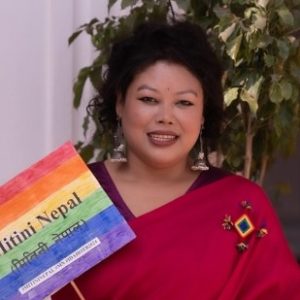
Sarita K.C.
Sarita K.C. is the Executive Director of Mitini Nepal, a leading organization championing the rights of gender and sexual minorities in Nepal. With nearly a decade of activism, Sarita has played a key role in advocating for legal gender recognition, marriage equality, and broader protections for LGBTQ+ individuals. She is dedicated to dismantling stigma, expanding healthcare access, and advancing adoption rights for sexual minorities. Sarita collaborates with educational institutions, lawmakers, and LBQ women to foster societal understanding and amplify their voices in advocacy. Her unwavering commitment drives her mission to create a more inclusive and equitable society for all.
“For the next ERC meeting, I would like to see a deeper focus on specific challenges faced by LGBTIQ+ individuals in Asia, as well as more discussions on how to combat anti-gender movements.“
Sarita K.C.
The ERC conference in Berlin was an incredibly enriching experience. The three-day event brought together a diverse group of stakeholders, including 45 member states, observer countries, and key figures such as Nepal’s Ministry of Foreign Affairs representative Arzu Rana Deuba, UN expert Graeme Reid, and several LGBTQI+ organizations. The meeting allowed for critical discussions on issues impacting the LGBTIQ+ community, with impactful speeches from figures like UN High Commissioner Volker Turk and German Foreign Minister. The event was not only informative but also inspiring, motivating us to continue our advocacy work with renewed energy.
As someone who is not currently part of the working group, I can clearly see how the ERC can significantly enhance my advocacy efforts. The discussions and shared experiences at the conference have provided a deeper understanding of the strategies and policies that have been effective in other countries. These insights will guide my work in advocating for the rights of LGBTIQ+ individuals in Nepal, especially in areas like policy reform, awareness, and empowering local communities.
The most useful part of the meeting was the plenary session, particularly the panel discussions on anti-gender movements and hate crimes. These issues are highly relevant to the LGBTIQ+ community in Nepal, and hearing firsthand accounts of how other countries are addressing these challenges was extremely insightful. It provided us with concrete strategies that we can adopt and tailor to the local context in Nepal, helping to shape our approach to advocacy.
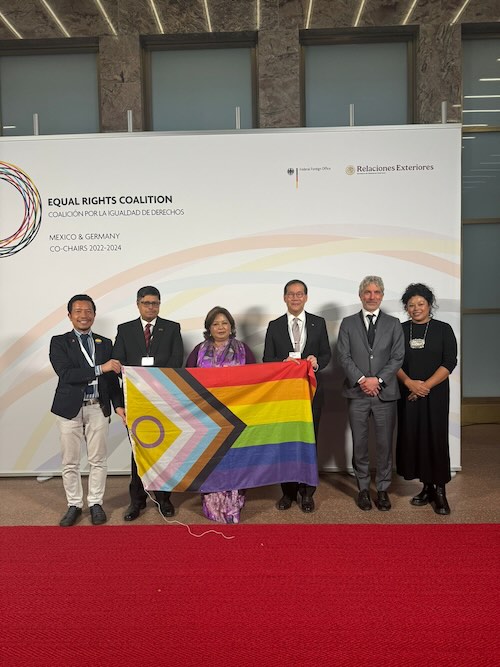
For the next ERC meeting, I would like to see a deeper focus on specific challenges faced by LGBTIQ+ individuals in Asia, as well as more discussions on how to combat anti-gender movements. I also hope that the meeting will feature more interactive sessions, where countries can share practical strategies for addressing issues like hate crimes, discrimination, and legal recognition, particularly in regions with less supportive legal frameworks.
Congratulations to Thailand for being the first country in Asia to join the ERC! This is a significant milestone and demonstrates Thailand’s commitment to advancing the rights of LGBTIQ+ individuals. Thailand’s membership sets an inspiring example for other countries in the region, and I believe it will encourage more nations to follow suit. The ERC can serve as an important platform for regional collaboration, and I hope that Nepal will also be part of this movement in the future.
Overall, the ERC conference was an inspiring and impactful event that reinforced the importance of collaboration and solidarity among countries in the fight for LGBTIQ+ rights. I am optimistic that this momentum will continue, and I look forward to further opportunities to work together in advocating for the rights and dignity of LGBTIQ+ individuals, especially in Nepal.
Other Reflection Pieces:
Reflection from Indonesia:
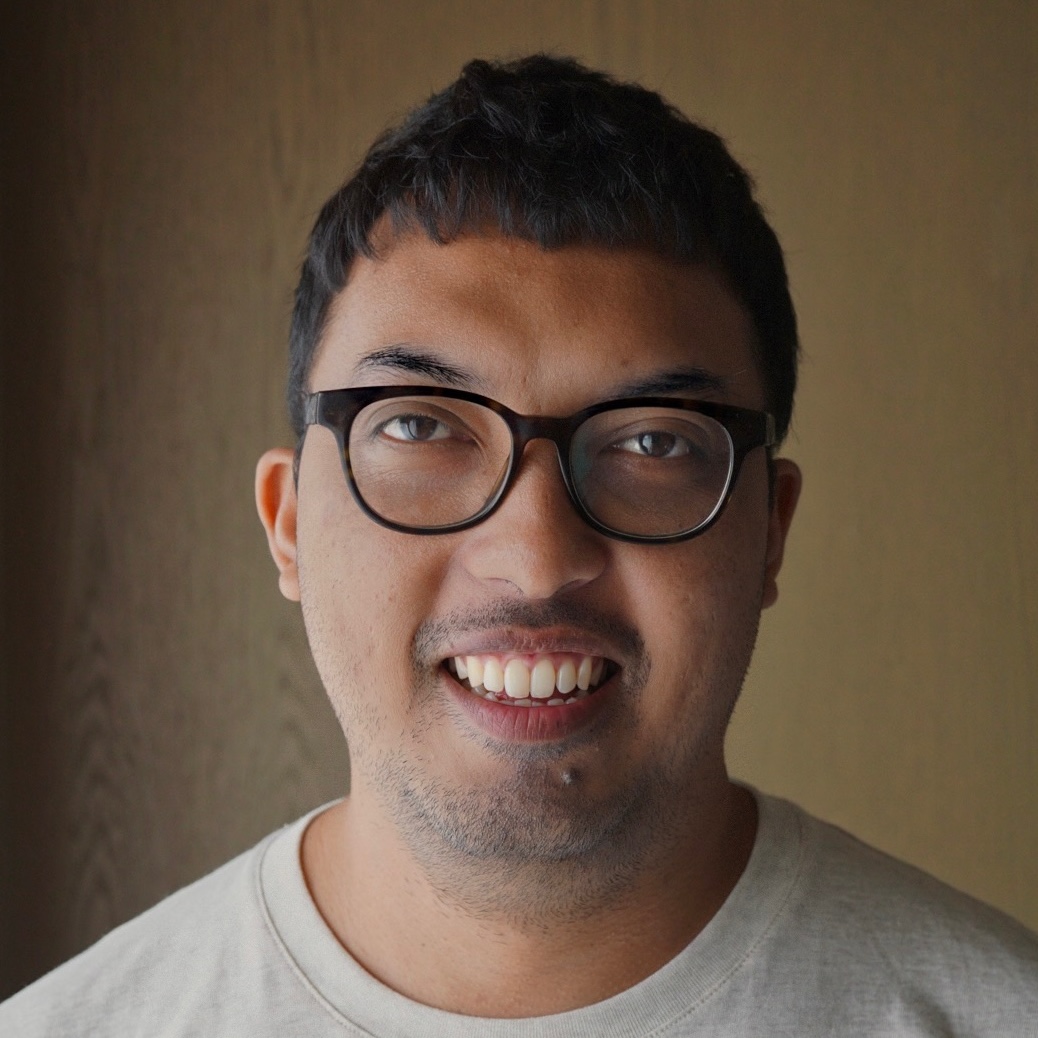
Purba Widnyana

Reflection from Japan:
Takeharu Kato
Reflection from Pakistan:
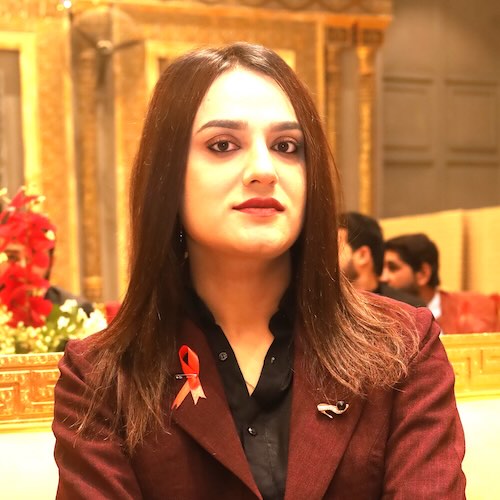
Mahnoor Chaudhary