

Contributor:
Purba Widnyana (he/they)
Secretary of GAYa NUSANTARA, Indonesia, has been involved in the LGBTIQ+ movement for 8 years, including 3.5 years as a project manager and secretary. These roles have honed his expertise in project management, communication and stakeholder engagement. He is also passionate about the sustainability of civil society organisations (CSOs) and an avid problem solver, particularly through the innovative use of technology. He holds a Masters in International Development Practice from Monash University.

“One of the best ways to make use of the ERC is to get involved with the next co-chairs, Spain and Colombia through their embassies in Indonesia. This means making sure they’re regularly updated on the human rights situation for LGBTIQ+ individuals in Indonesia, including the specific challenges and concerns.”
Purba Widnyana
Going to the ERC conference in Berlin was a great experience. It was my first time, so I got to know the ERC better than from reading the website. I learned about how it works, the different views of the member states and civil society organisations (CSOs), the challenges, and the real impact of its work on LGBTIQ+ rights around the world. Also, the conference was a great way to get involved in international advocacy.
I met activists and organisations from different countries, building relationships, and I also had the chance to share the challenges faced by the LGBTIQ+ community in Indonesia and gain valuable insights from others. I was able to learn successful advocacy strategies employed by other countries which I hope I would be able to adapt to the Indonesian context, and this firsthand experience significantly enhanced my understanding of international advocacy and its potential to advance LGBTIQ+ rights in Indonesia.
Even though Indonesia isn’t a member, the ERC can still be a really useful resource for advocacy work. One of the best ways to make use of the ERC is to get involved with the next co-chairs, Spain and Colombia through their embassies in Indonesia. This means making sure they’re regularly updated on the human rights situation for LGBTIQ+ individuals in Indonesia, including the specific challenges and concerns. It’s also really important to get their support, may that be funding or, since safe spaces are getting smaller and smaller, even safe spaces within the embassies to run events. We should also look at what other ERC member states can do to support LGBTIQ+ rights in Indonesia, like getting involved with the Indonesian government or making public statements.
I always love learning from experience, and the best thing about the ERC meeting was the chance to hear all these different views. During panel sessions, I heard from people in different countries and organisations, and it was really interesting to hear about the different ways they’re fighting for LGBTIQ+ rights.
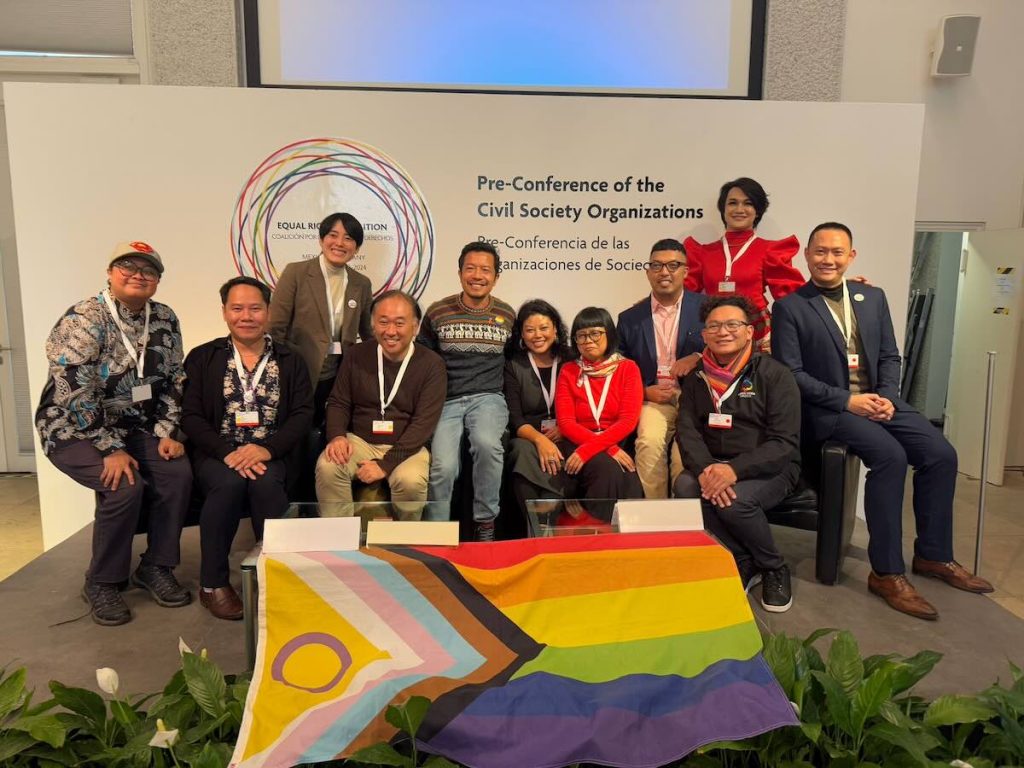
I’d like us to focus more on the challenges and opportunities for LGBTIQ+ rights in the Asia-Pacific region as I only saw a few participants from the region attend. In addition to that, with the rise of the rise of right-wing governments in Europe and the United States which may affect sources of funding, I think it would be really beneficial to have dedicated sessions on fostering regional collaboration among CSOs and exploring strategies for addressing shared challenges. And it would be great to have some concrete action plans to support LGBTIQ+ rights in places like Indonesia, with member states and CSOs working together.
The ERC is a really important platform for working with other countries to support LGBTIQ+ rights. It’s really important to keep working with the ERC, even though Indonesia isn’t a member, to spread the word and get international support for the rights of LGBTIQ+ people in Indonesia. It’s also really important to build strong relationships with other CSOs in the region and globally. This helps to amplify the voices of the LGBTIQ+ community in Indonesia and advocate for systemic change.
Lastly, I would like to say well done Thailand! You’re the first country in Asia to join the Equal Rights Coalition. This is a huge step forward for LGBTIQ+ rights in the region. We hope that your membership will encourage other Asian countries, especially Indonesia, to do the same and join the ERC in promoting and protecting the human rights of everyone, no matter their sexual orientation or gender identity.
Other Reflection Pieces:

Reflection from Japan:
Takeharu Kato
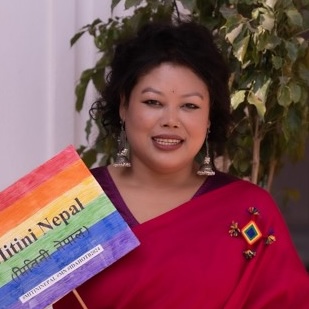
Reflection from Nepal:
Sarita K.C.
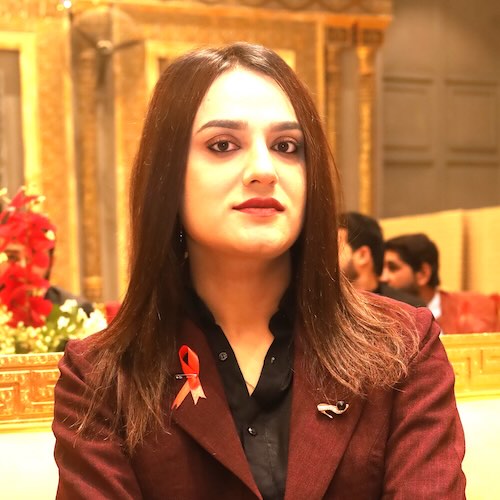
Reflection from Pakistan:
Mahnoor Chaudhary