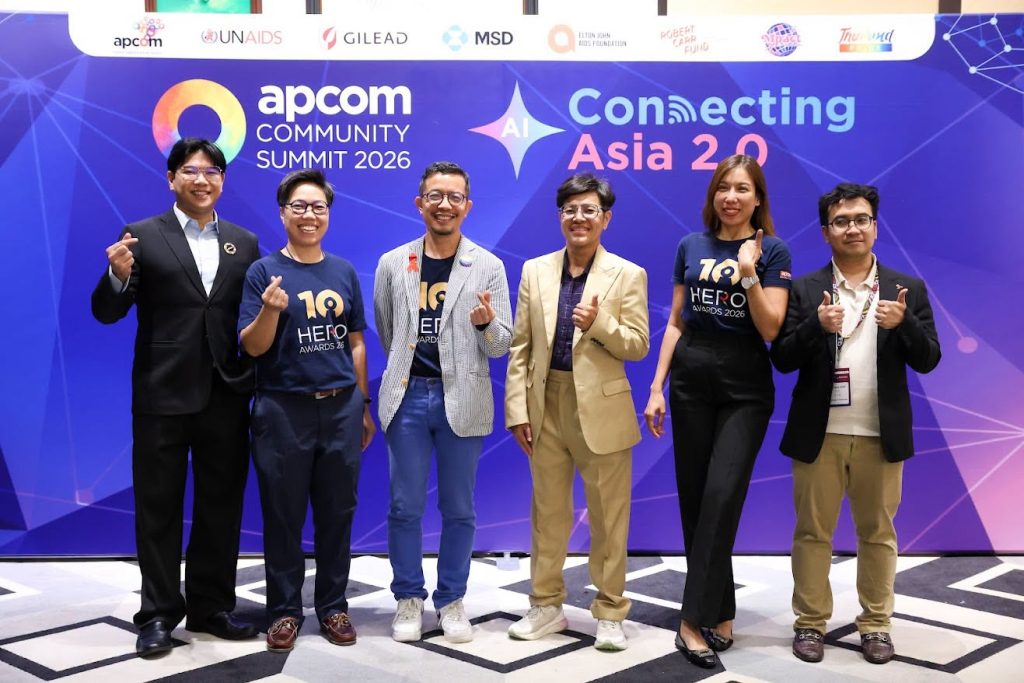
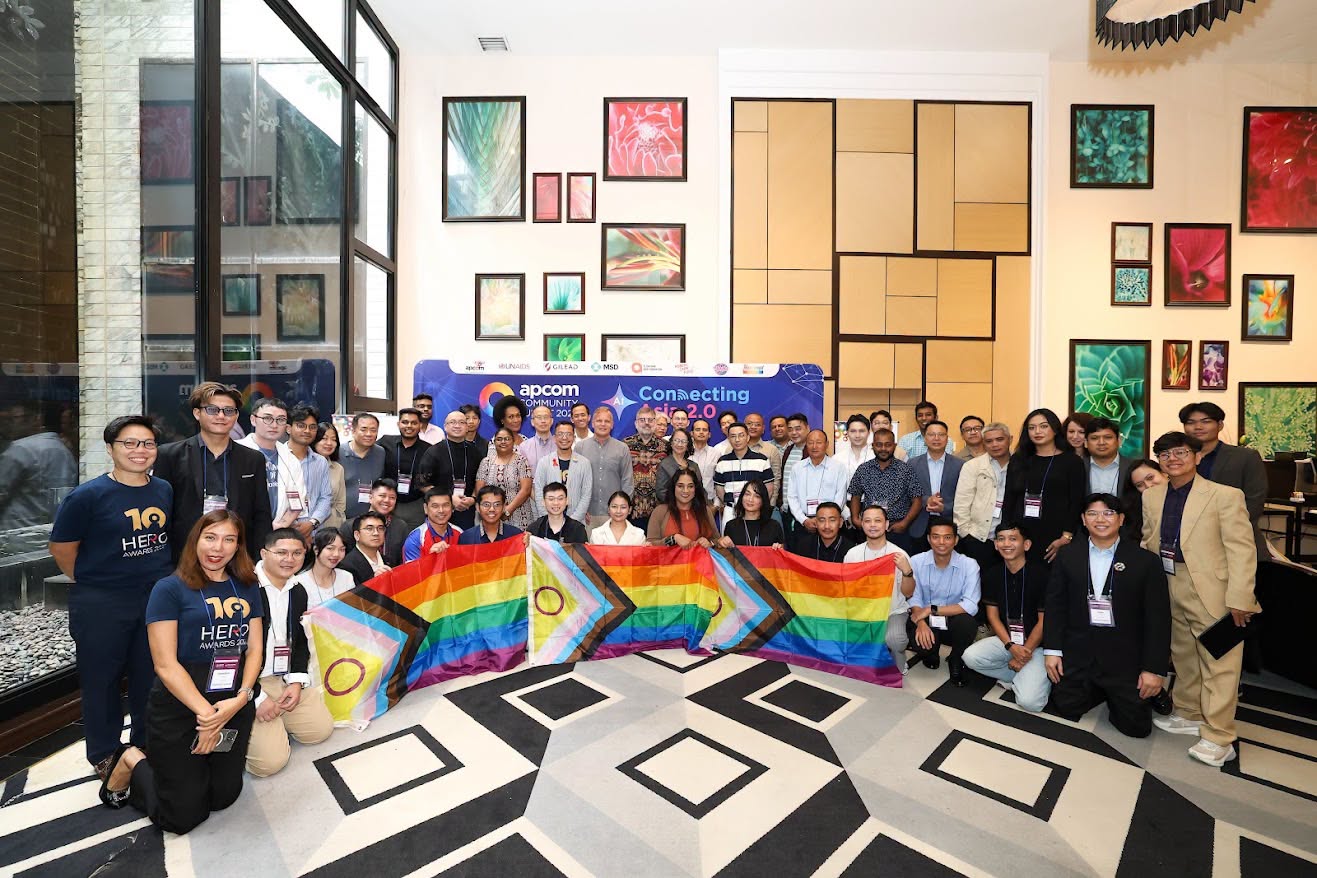
As the APCOM Community Summit 2026 turns to artificial intelligence,
KeyPop App shows what is at stake: whether AI serves communities’ own data, or is done to them.
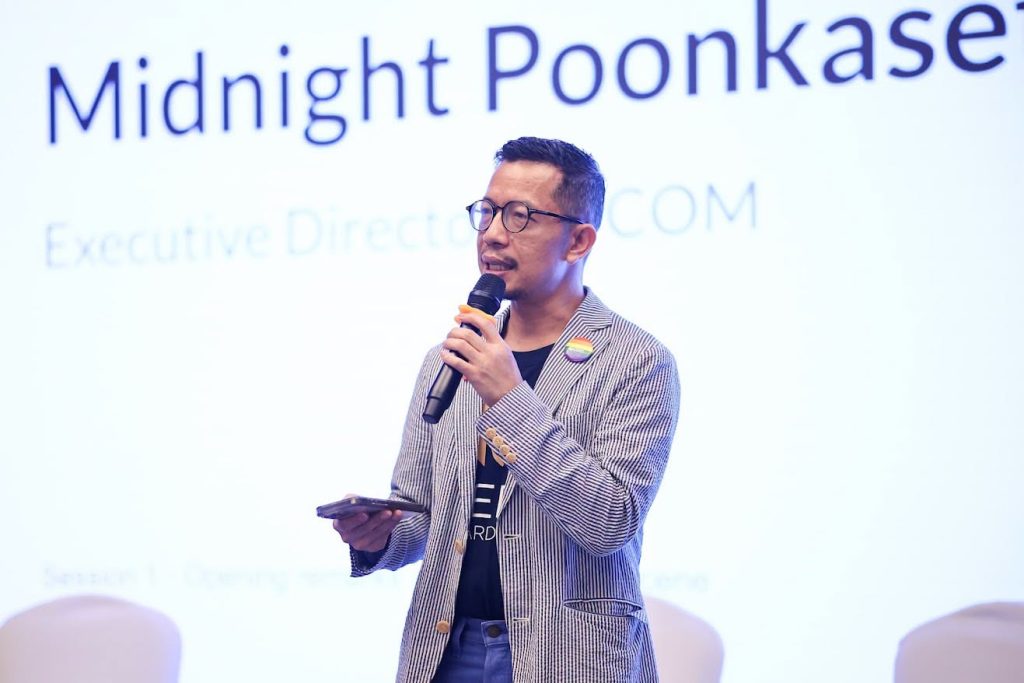
In 2017, APCOM brought HIV workers, community leaders, private sector innovators and ICT experts together in Bangkok for Connecting Asia, a regional consultation on how technology could speed up progress towards the 90-90-90 targets. Nine years on, the APCOM Community Summit 2026 (11–13 November, Bangkok) returns to that question under the banner Connecting Asia 2.0: AI and Innovations for Community-Led Programming
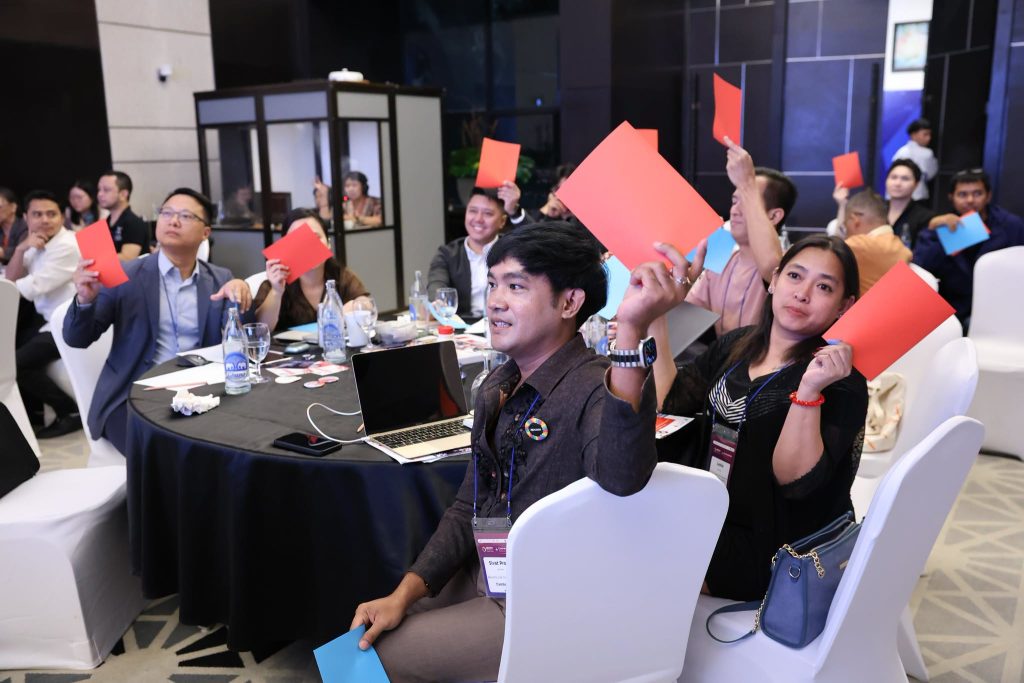
The Summit has three goals: to understand innovations and AI in HIV programming and LGBTQ+ human rights; to showcase community-led innovations and identify learning needs; and to act, by developing shared safeguards and country and regional actions for responsible innovation. Community-led monitoring runs through the workshops as part of the LGBTQ+ rights advocacy and CLM track, one of five thematic groups alongside prevention and PrEP demand generation, testing and linkage, treatment adherence and retention, and health-seeking behaviours, digital outreach and peer navigation.


Why KeyPop is part of this conversation
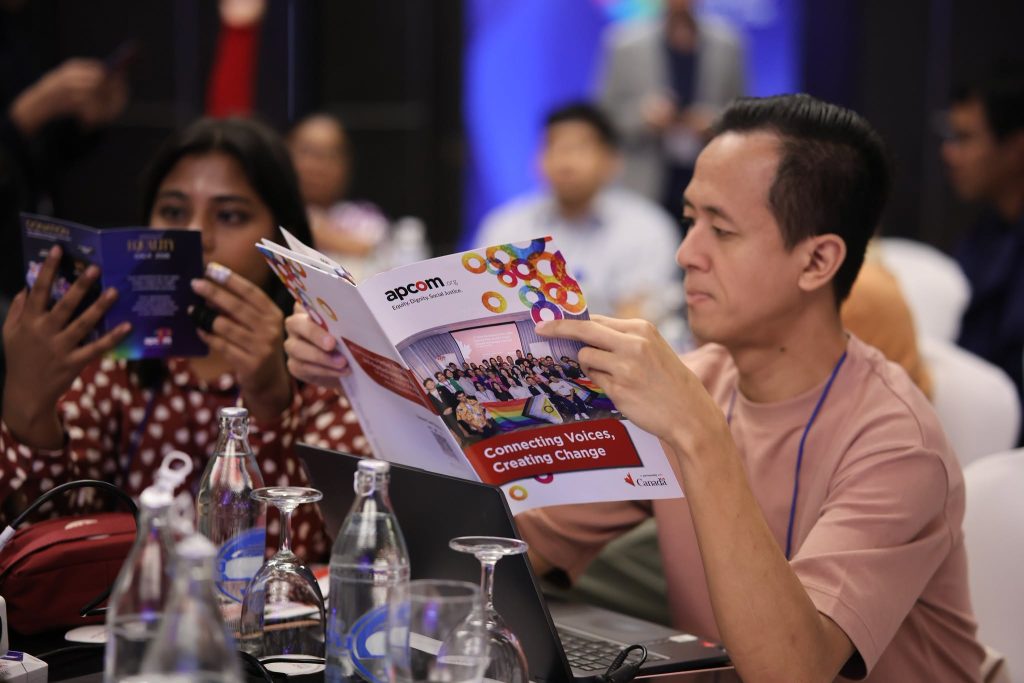
KeyPop App launched ahead of last year’s Summit as a mobile CLM app for LGBTQ+ people and key populations across Asia-Pacific. It lets users record their experiences of health services, take part in surveys and contribute data for community-led advocacy, with CLM modules already active in India, Indonesia, Nepal, the Philippines and Thailand. Data visualisation dashboards and service mapping are next on its roadmap, shaped by pilot feedback.
That pilot data is now arriving, and it shows both the promise and the pressure. Partners are now gathering service ratings and free-text comments in several languages. Turning them quickly into evidence a district health office or national programme can act on is exactly the kind of task where AI could help communities do more with less.

What an AI-enabled KeyPop could look like
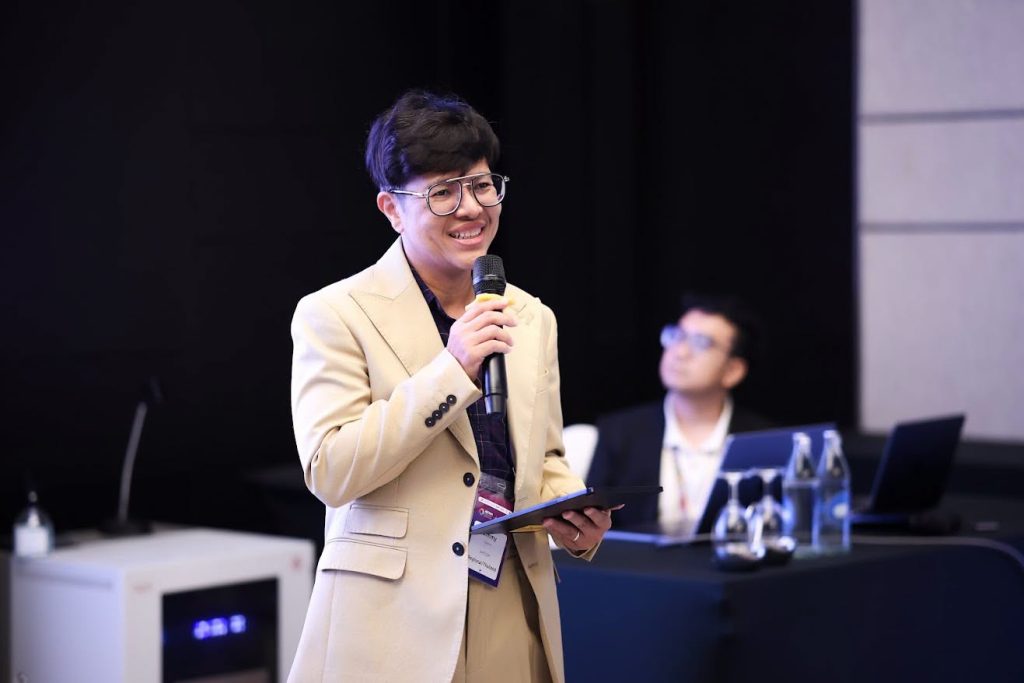
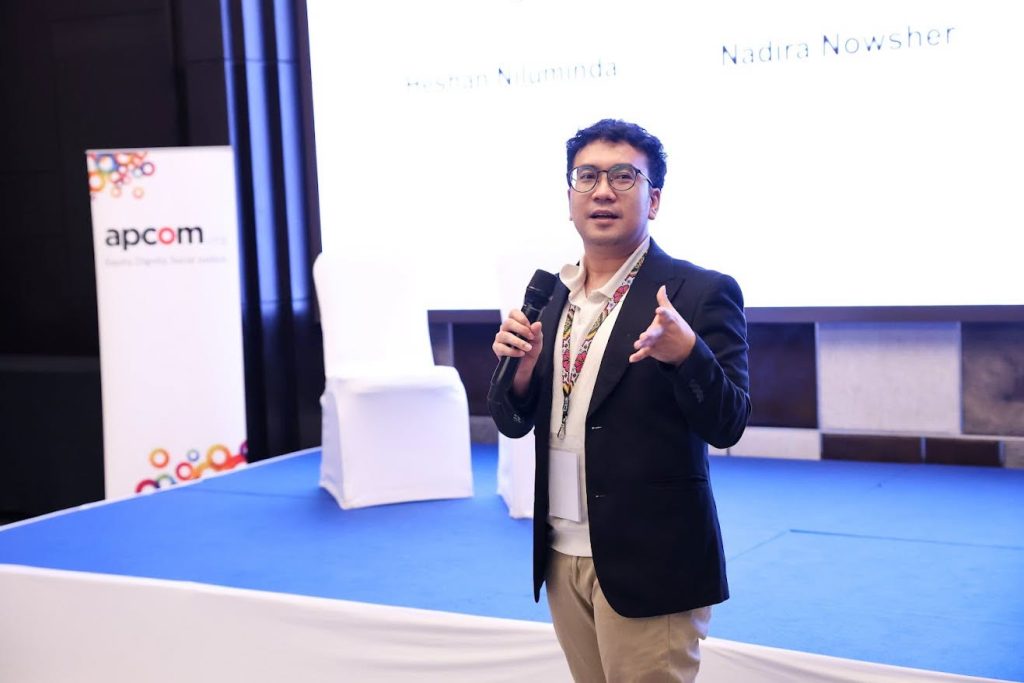
The Summit is where we want communities, not developers, to set the direction.
Questions on the table include whether AI could:
- make sense of community feedback at scale, sorting free-text comments by theme and across local languages so that no voice is lost because there was no time to read it;
- flag emerging problems early, such as unofficial fees, medicine stock-outs or breaches of confidentiality clustering at particular facilities;
- power KeyPop’s upcoming dashboards and service maps, so partners can see trends and compare sites without needing a data analyst; and
- help users find the right service, in their own language, through virtual navigation.
Community safeguards come first
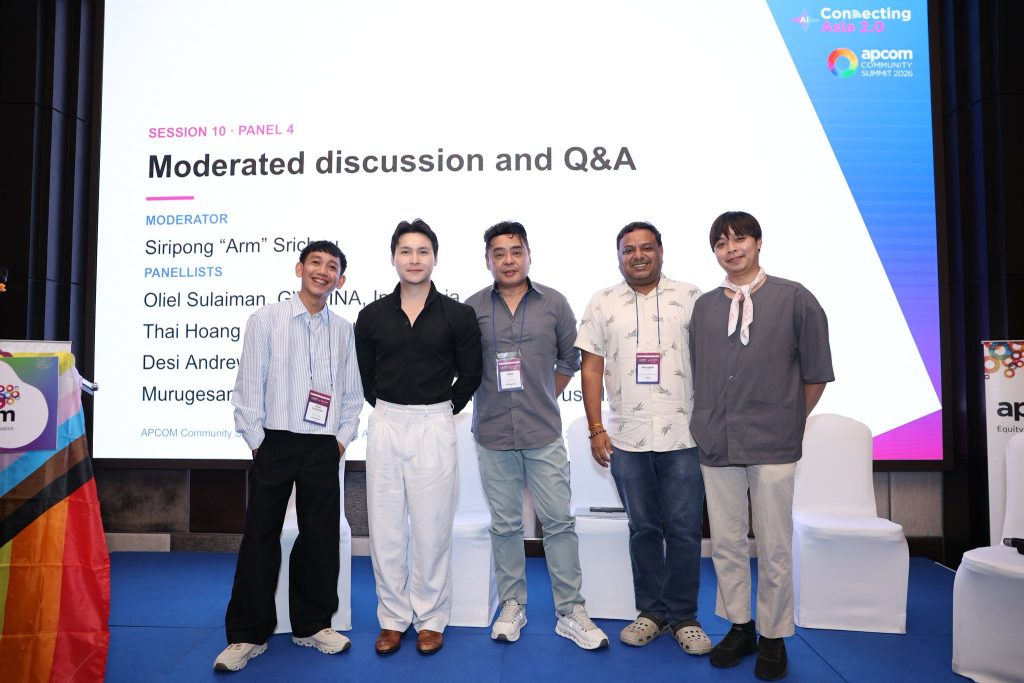
The Summit starts from one conviction: innovation is not neutral. It is a political, ethical and community issue, and the risks are real: algorithmic bias, data privacy, surveillance, criminalisation, and excluding the communities least represented in the data. Where same-sex relations, sex work or drug use are criminalised, data about who used which service, and when, can put people in danger. So Day 1 includes a panel on LGBTQ+ human rights, AI and community safeguarding; Day 2 turns to data privacy and the digital rights of key populations, and to designing community-led pilots; and Day 3 closes with country action plans, a regional roadmap and a joint community statement on AI and safeguarding, open for voluntary endorsement.
For KeyPop App, that means any use of AI must keep the app’s founding promise: the data comes from communities, is governed by communities, and is used for communities. What participants decide in Bangkok this month will guide how we take KeyPop and CLM forward.